
Education Endowment Foundation (EEF) Early Years Evidence Store
The EEF Early Years Evidence Store is a free online resource designed to help early years educators understand which teaching approaches have been shown to be effective and put research evidence into practice. It brings together evidence-informed approaches that support children's learning and development and translates research into practical strategies that can be implemented in nurseries, schools, and childminding settings.
The Evidence Store has been developed to help practitioners answer three important questions:
- Which approaches are most effective?
- What do these approaches look like in practice?
- How can they be implemented successfully in my setting?
Based around 6 key Themes, the Evidence Store provides summaries of evidence with videos, case studies and examples from real early years settings, supporting leaders and practitioners to apply research in day-to-day practice. As a living resource, the store will be continually updated with additional evidence, written examples, and videos.
What Does the Evidence Store Contain?
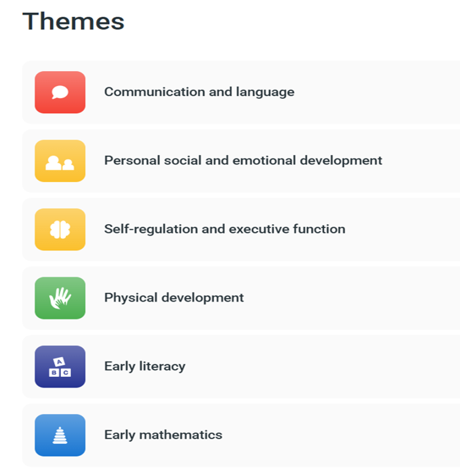 The Evidence Store is organised into six key themes:
- Communication and Language
- Personal, Social and Emotional Development
- Self-Regulation and Executive Function
- Physical Development
- Early Literacy
- Early Mathematics
Within each theme, you will find:
- An overview of the theme and the current evidence behind it
- Evidence-informed teaching approaches
- Summaries of the available evidence for each teaching approach in the theme
- Practical recommendations for implementation
- Videos showing approaches in real settings
- Written examples and case studies
- Links to related EEF resources and guidance
How might settings use the Evidence Store?
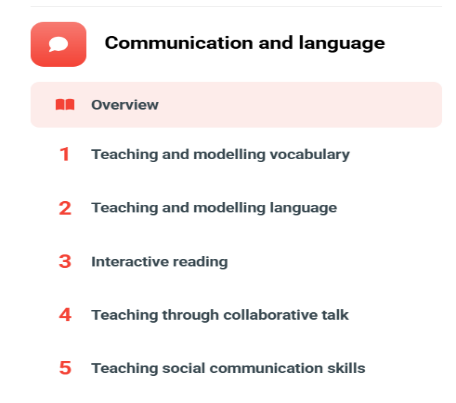 Step 1: Select a Theme, linked to the setting's current priorities or areas for development.
Step 2: Explore an Evidence-Informed Approach – read the overview and review the evidence summary.
Step 3: Read the guidance on Putting the approach into action and access the Approach in Action video examples and written examples.
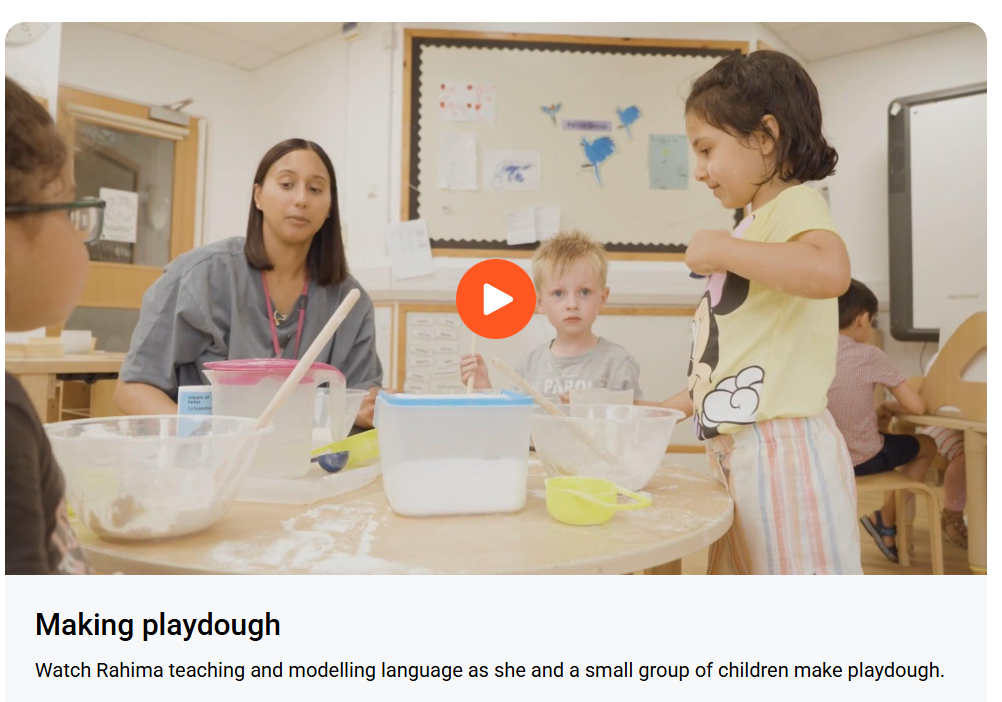
Step 4: Reflect on current practice – compare the examples with your existing provision.
Step 5: Plan for and implement change. For example, settings might select one or two practices to trial before attempting wider implementation. This allows staff to evaluate effectiveness and refine practice over time.
Step 6: Monitor impact.
More detailed guidance on using the Evidence Store is provided in a useful and accessible ‘How to’ guide:
EEF | How to use the Early Years Evidence Store
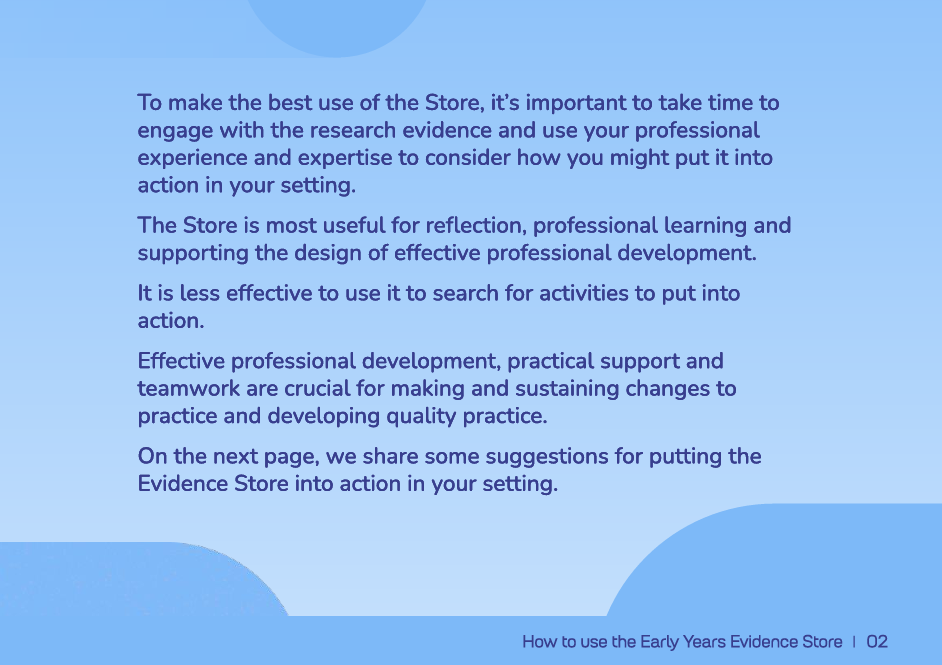
The EEF Early Years Evidence Store is not intended to replace professional judgement. Instead, it helps practitioners combine the best available research evidence with their knowledge of children and their setting to make informed decisions about teaching and learning. Used alongside reflective discussion and high-quality professional development, it can be a valuable tool for improving outcomes for young children.