
Early Career Training Programme - Spring Term update
 1).jpeg)
This term, our Early Career Training Programme brought together ECTs and mentors from across the region. Through a rich combination of in-person and online sessions, participants engaged with evidence-informed strategies designed to strengthen classroom practice, build professional confidence, and deepen mentoring expertise. Feedback across all groups was thoughtful, detailed, and overwhelmingly positive, offering powerful insight into the strengths of the programme as well as opportunities for continued refinement.
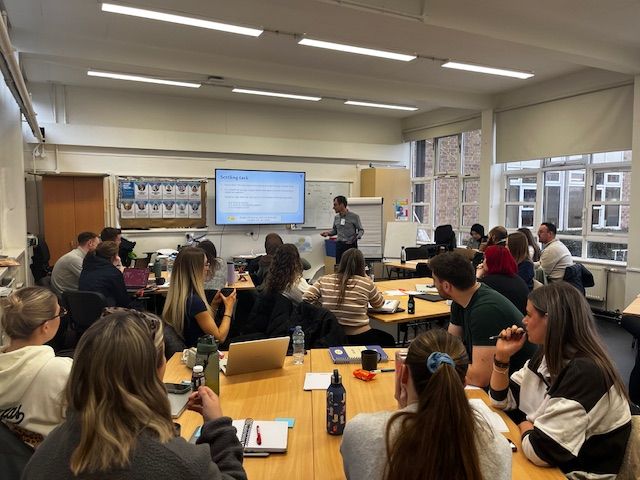 Year 1 ECTs: Strengthening Core Classroom Practice
For our Year 1 ECTs, this term’s sessions focused on developing classroom skills that form the backbone of high quality teaching. Many spoke about how the training helped them to deepen their understanding of assessment for learning and apply practical strategies immediately.
Participants highlighted several high impact takeaways:
- Hinge Questions: many ECTs expressed increased confidence in designing hinge questions that accurately diagnose pupil understanding and guide the next steps in learning.
- Examples and Non-Examples: ECTs found this strategy particularly powerful for clarifying concepts and addressing misconceptions. Several commented that they had “never realised how influential non-examples could be until now.”
- Peer and Self-Assessment: strategies such as co-constructed rubrics, modelling quality feedback, and structuring peer assessment were praised for being “instantly usable” in the classroom.
- Improving Questioning: techniques such as wait time, targeted questioning, and using questioning to build cognitive engagement were cited as direct improvements they intended to implement.
- Rubrics: many ECTs spoke of how rubrics gave structure to assessment and supported pupils’ independence.
Many Year 1 ECTs described the training as inspiring and empowering – one participant noted that the facilitator was “the best session leader I have had since becoming an ECT.”
Year 2 ECTs: Deepening Expertise and Building Professional Identity
Year 2 training aimed to refine established practice and introduce more advanced classroom strategies as ECTs continued to work in phase and subject-specific groups. Feedback suggests this was particularly successful in helping teachers consolidate their knowledge and grow in sophistication.
Participants highlighted several high impact takeaways:
- Planning for Misconceptions: Year 2 ECTs consistently highlighted how valuable it was to be guided through identifying, predicting, and addressing misconceptions before teaching new content.
- Concept Cartoons: many had never used concept cartoons before and were eager to try them, noting how effective they could be in drawing out pupil thinking and generating dialogue.
- Mnemonics and Analogies: ECTs appreciated learning how memory tools can support long-term retention, along with practical examples they could adapt for their subjects.
- Using AI Responsibly: some sessions explored the potential of AI in generating age-appropriate analogies, mnemonics, and examples – something participants found exciting and highly relevant to current practice.
- Collaboration and Resource Creation: many valued hands-on opportunities to build teaching resources during the session, finding this time well spent.
In general, Year 2 ECTs appreciated the balance between theory and practice and found sessions highly applicable to developing a more nuanced, confident teaching approach.
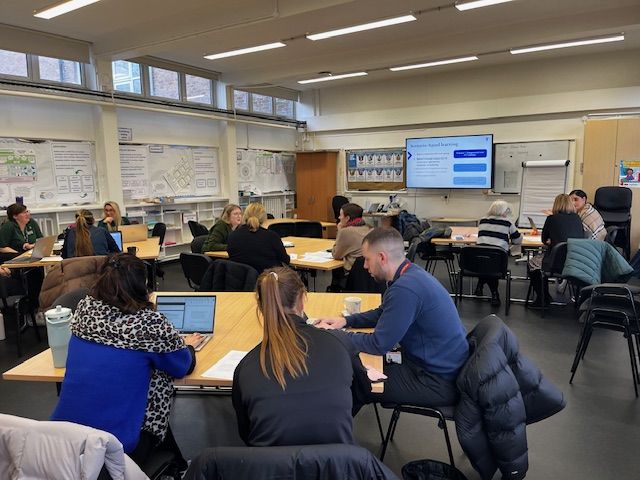 Mentors: Enhancing Coaching, Support and Professional Dialogue
Mentors across the region engaged in training centred around inclusion, coaching strategies, and managing professional conversations. Their role is vital to the success of new teachers, and the feedback reflected a deep commitment to supporting ECTs with clarity, empathy, and high expectations.
Mentors particularly valued:
- The Support/Challenge Quadrant: many cited this as a powerful framework for balancing encouragement with high expectations.
- The Ladder of Inference: this tool helped mentors reflect on their own assumptions and approach conversations with greater clarity and fairness.
- Structuring Difficult Conversations: mentors appreciated practical scripts, scenarios, and approaches for delivering messages with honesty, confidence, and respect.
- Developing Inclusive Practice: the sessions helped mentors coach ECTs in adapting lessons, being mindful of language, and creating accessible learning environments.
- Feedback Techniques: many mentors highlighted how helpful it was to explore phrasing such as “I noticed…” and “Could you tell me more about…?”
Mentors were overwhelmingly positive about this term's training. Many praised the facilitators' skill, with one noting, “The facilitator was particularly engaging and clearly knew the material inside out.”
A Training Programme with Impact
Across all groups, one message was clear: participants deeply value the Early Career Training Programme and feel it is making a measurable difference to their teaching, mentoring, and confidence.
We are grateful to every ECT and mentor who participated in training sessions and contributed their reflections this term. Your insights help ensure that our programme continues to grow in excellence, relevance, and impact.